Coco Farm & Winery
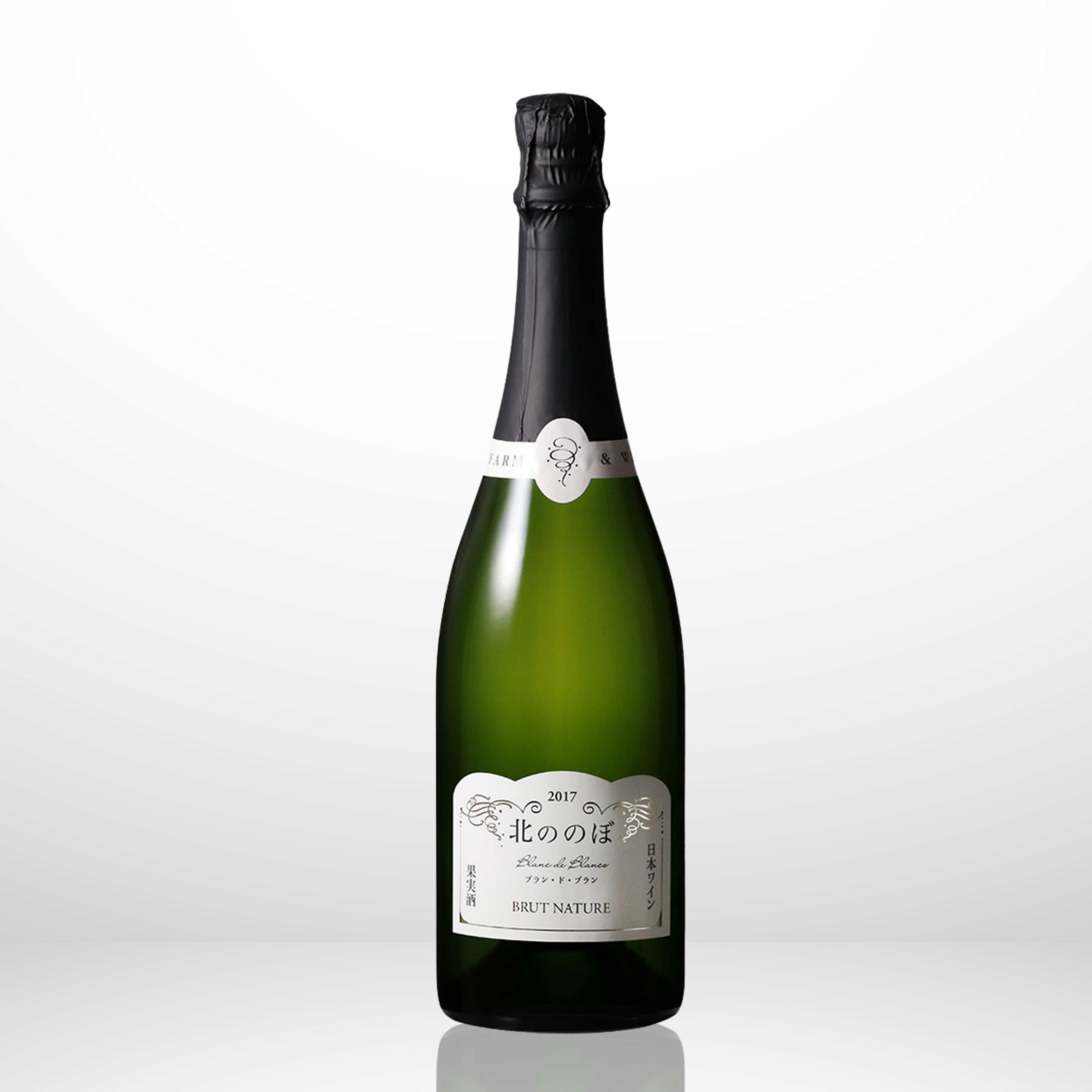
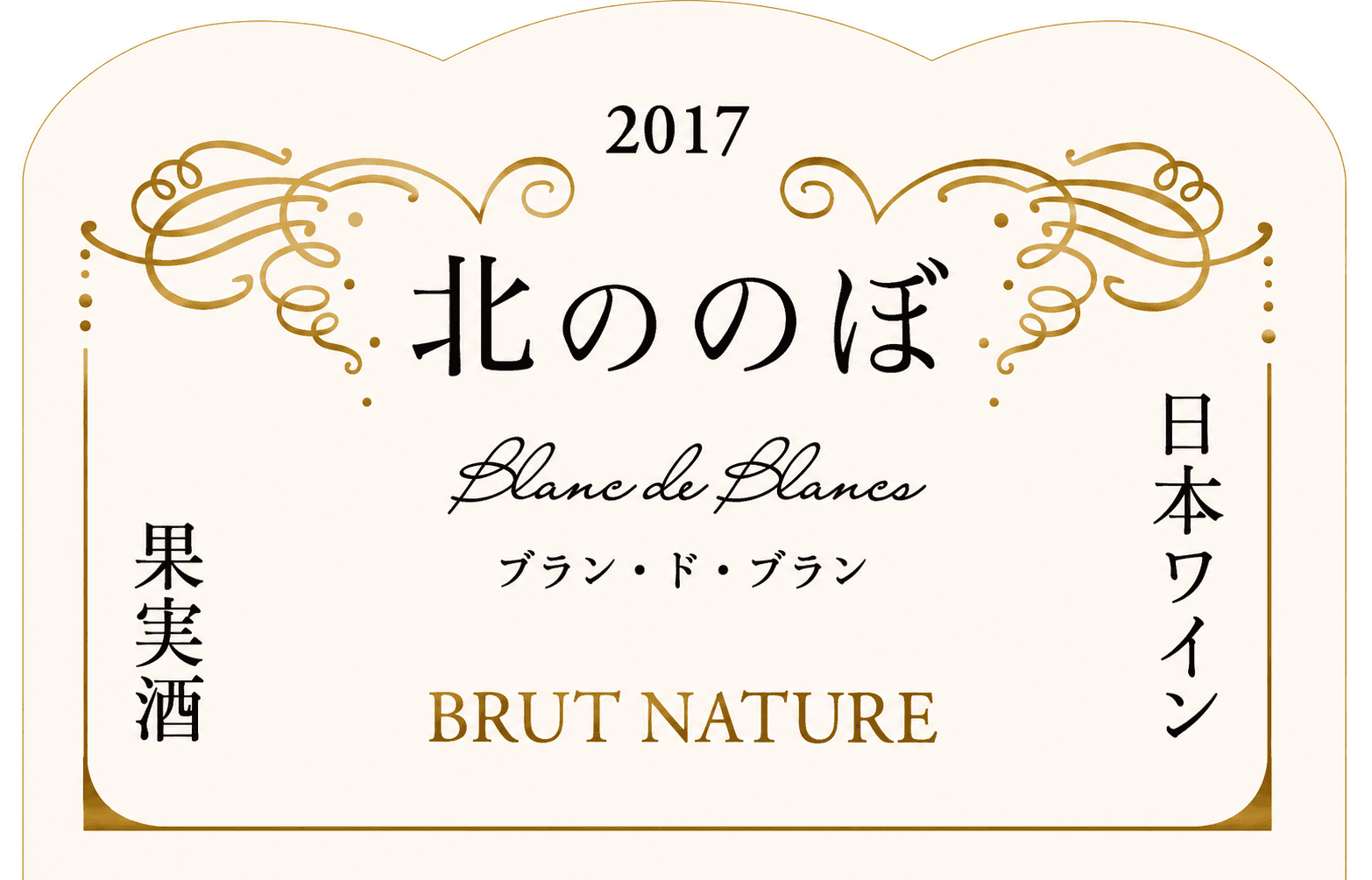
Kita no Novo Blanc de Blancs
北のノーヴォ ブラン・ド・ブラン/ココ・ファーム・ワイナリー
Category
Wine
Type
White Wine
Producer
Coco Farm & Winery
Production area
Kimura Farm, Nobori Town, Yoichi, Hokkaido.
Variety
Chardonnay 100%
Fermentation
Fermentation with wild yeast in stainless steel tanks.
Maturation
After secondary fermentation in the bottle using selected yeast, the wine is aged on the lees for over 72 months.
Capacity
750 mL
ABV
12%
Production Quantity
1,424 bottles (750 ml each)
Recommended Pairings
Scallop carpaccio, oysters steamed in Champagne, abalone steamed in sake, tomato oden, eel in aspic, grilled tilefish (madai) in pine-cone style, grilled Spanish mackerel (sawara) with salt, tempura, crab shabu-shabu, chicken sautéed with mushroom cream sauce, sautéed game bird, and marron glacé.
Tasting from winery
A complex, multi-layered nose of peach and apple fruit, intertwined with yeast-derived notes of toast, brioche, and custard, as well as oxidative aging notes of walnut and dried hay. The palate offers a delicate sweetness and a rounded mouthfeel. Acidity, umami, and a saline minerality fuse perfectly with the savory notes of long-term aging to create an exceptionally long finish.
About the producer
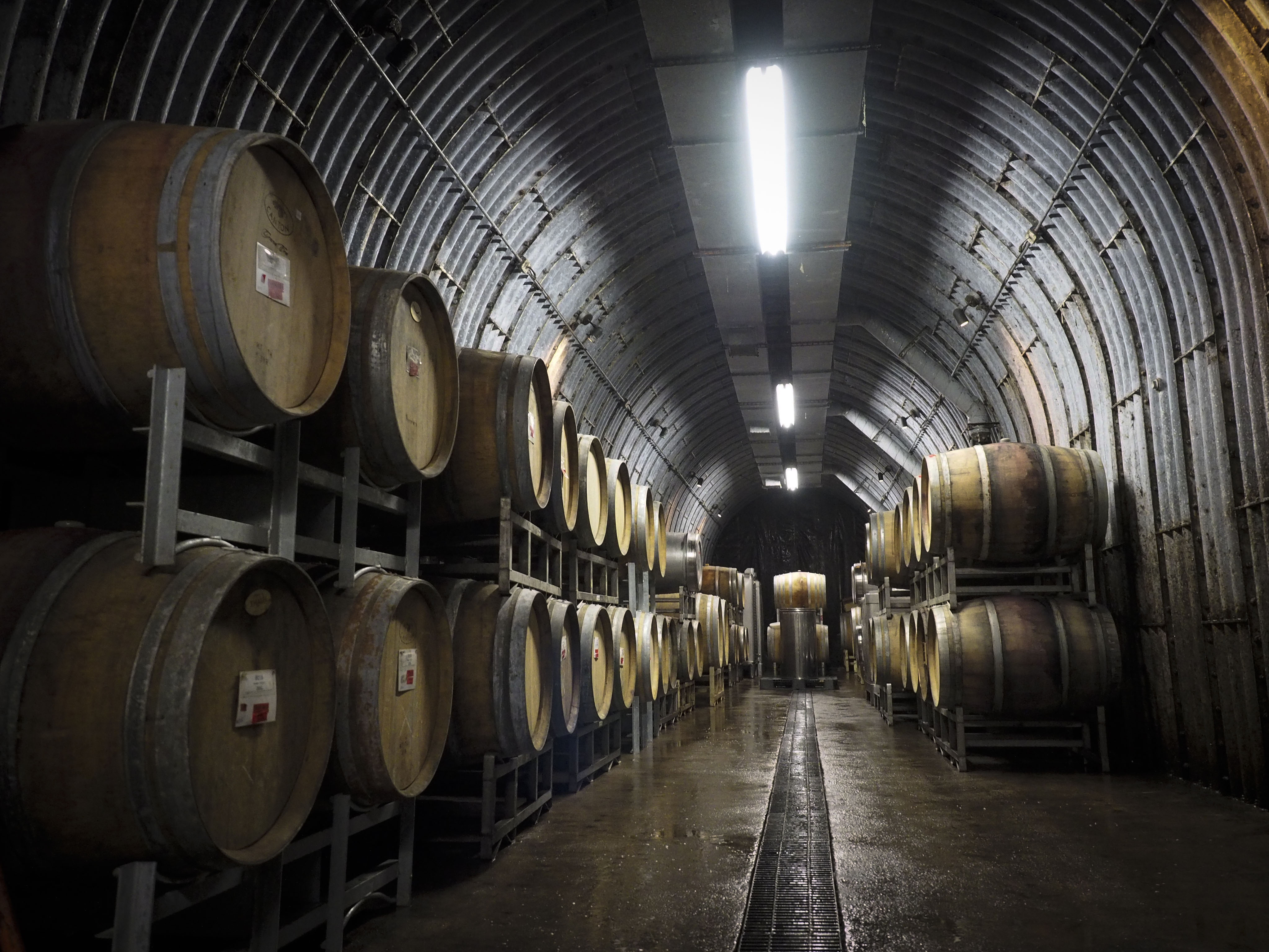
The Charm of Meticulous Grape Cultivation and Wild Yeast Fermentation
About the Production Area
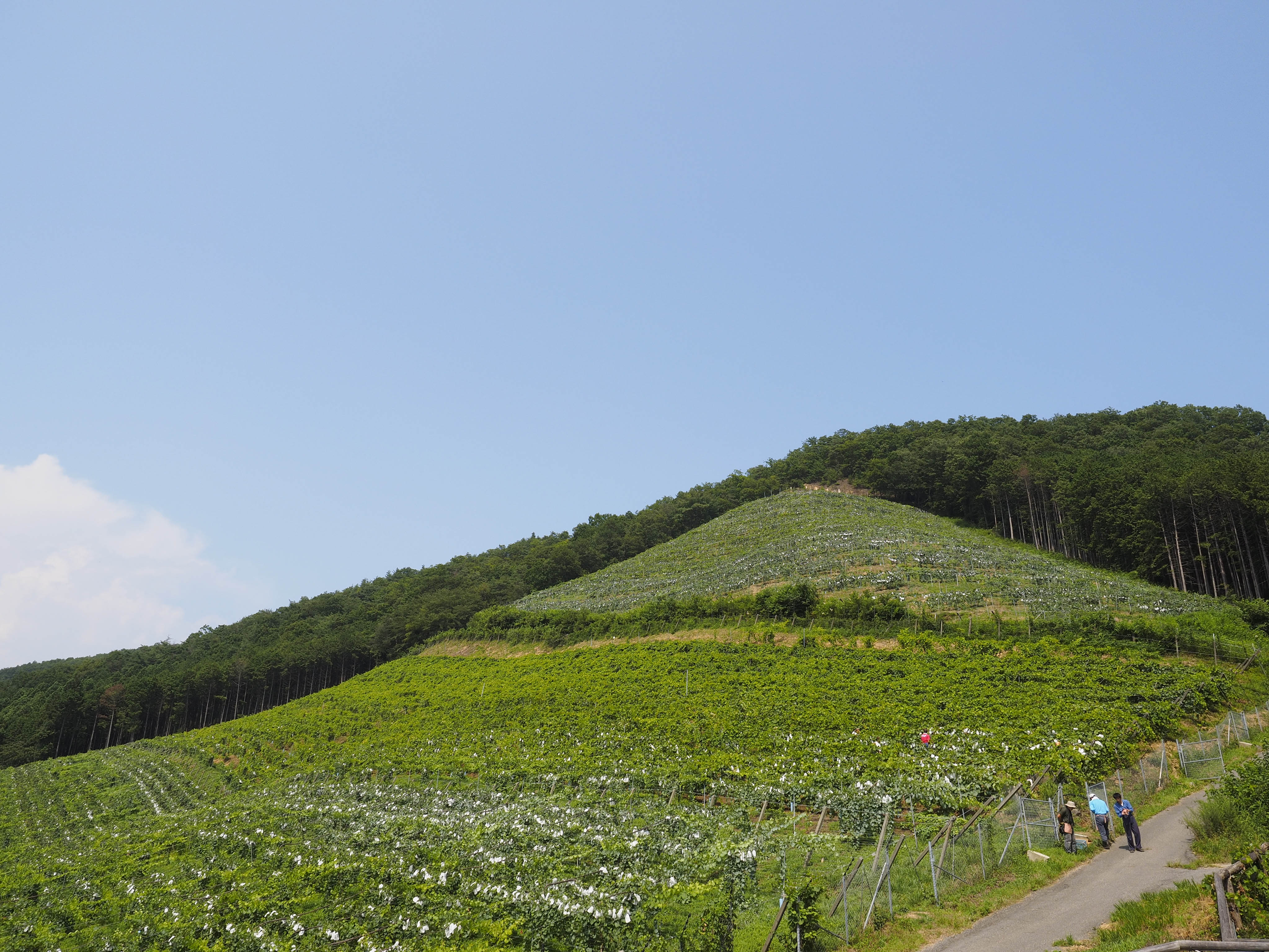
Japan Tochigi Prefecture
A land where you can enjoy a variety of flavors, aromas, and colors
Tochigi Prefecture is landlocked, with hot summers and cold winters, resulting in significant temperature differences both diurnally and annually.
These variations are beneficial in balancing the sugar and acid levels in grapes. Additionally, the soil in Tochigi is predominantly volcanic, which provides good drainage.
There are also regions rich in minerals, making these soil conditions well-suited for grape cultivation.
Grape varieties originating from America such as 'Niagara' for white wine and 'Concord' for red wine are commonly grown, but in recent years, international and unique Japanese grape varieties have also begun to be cultivated.