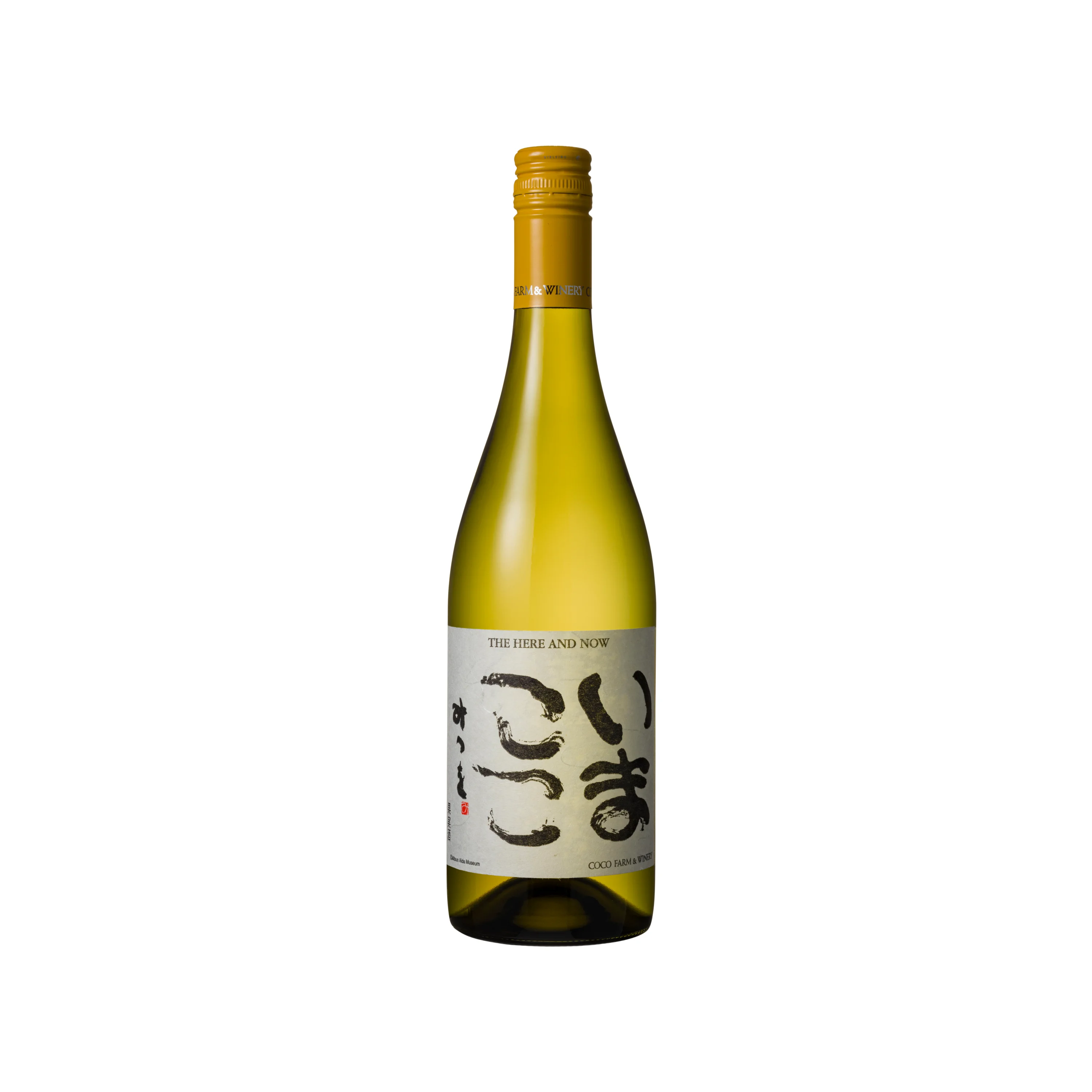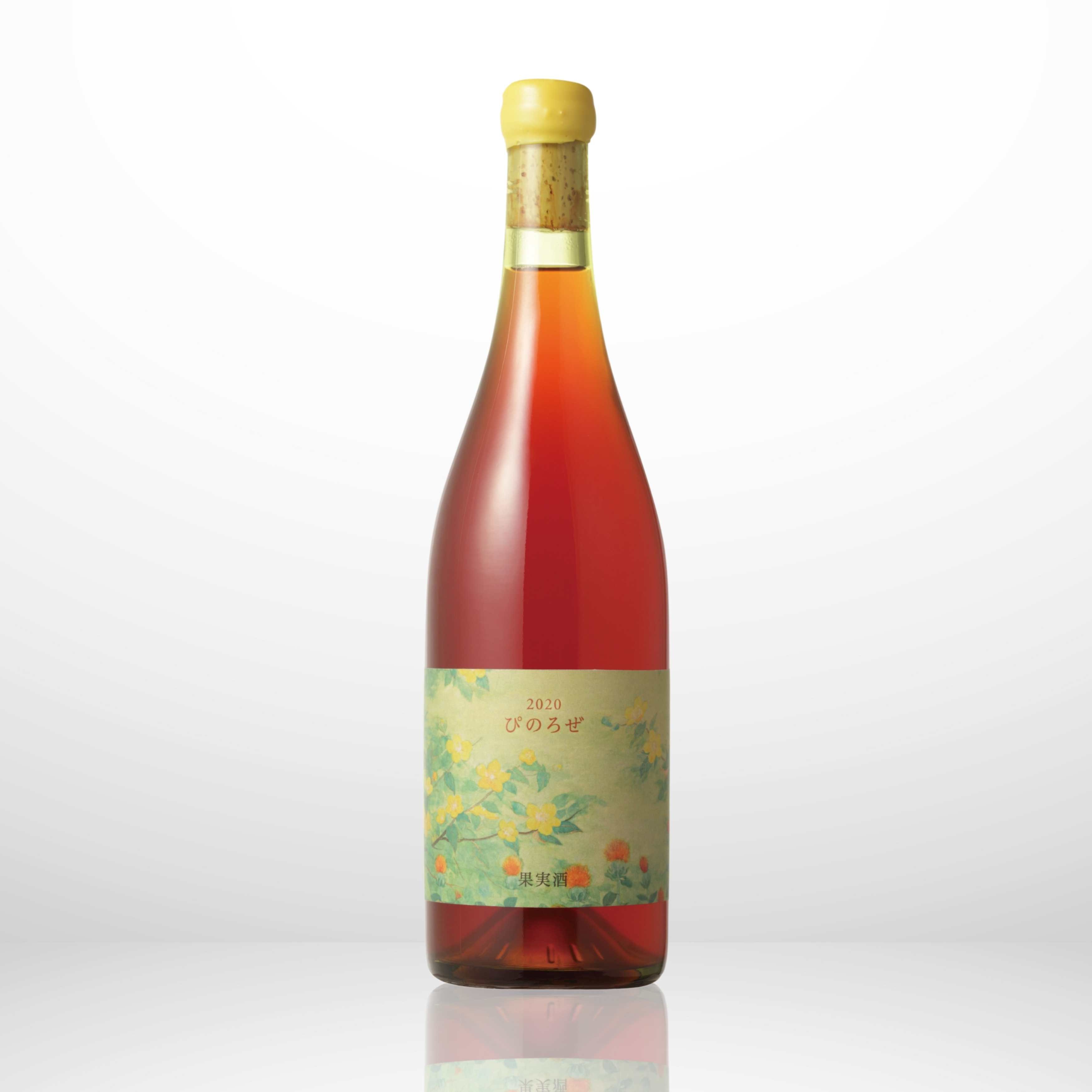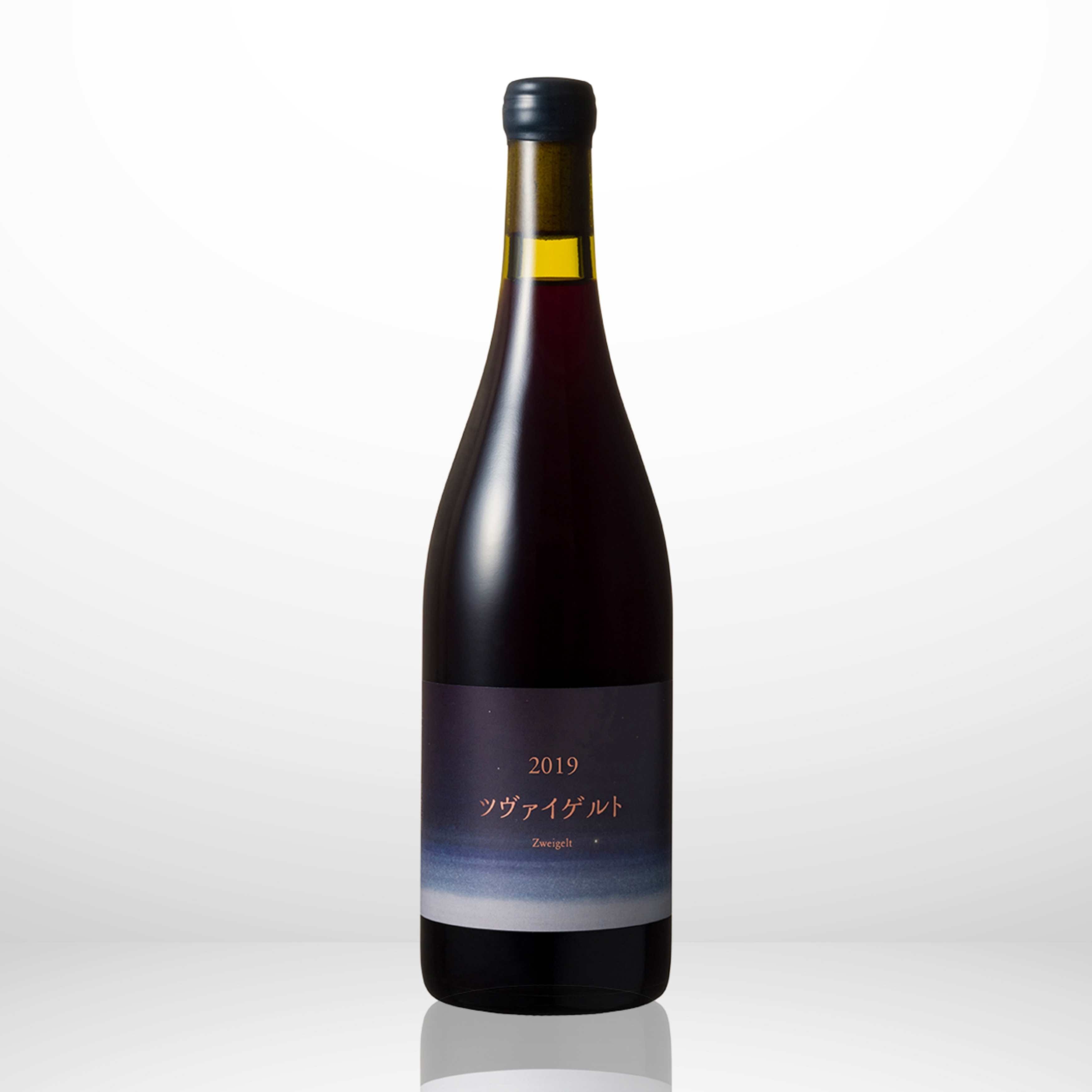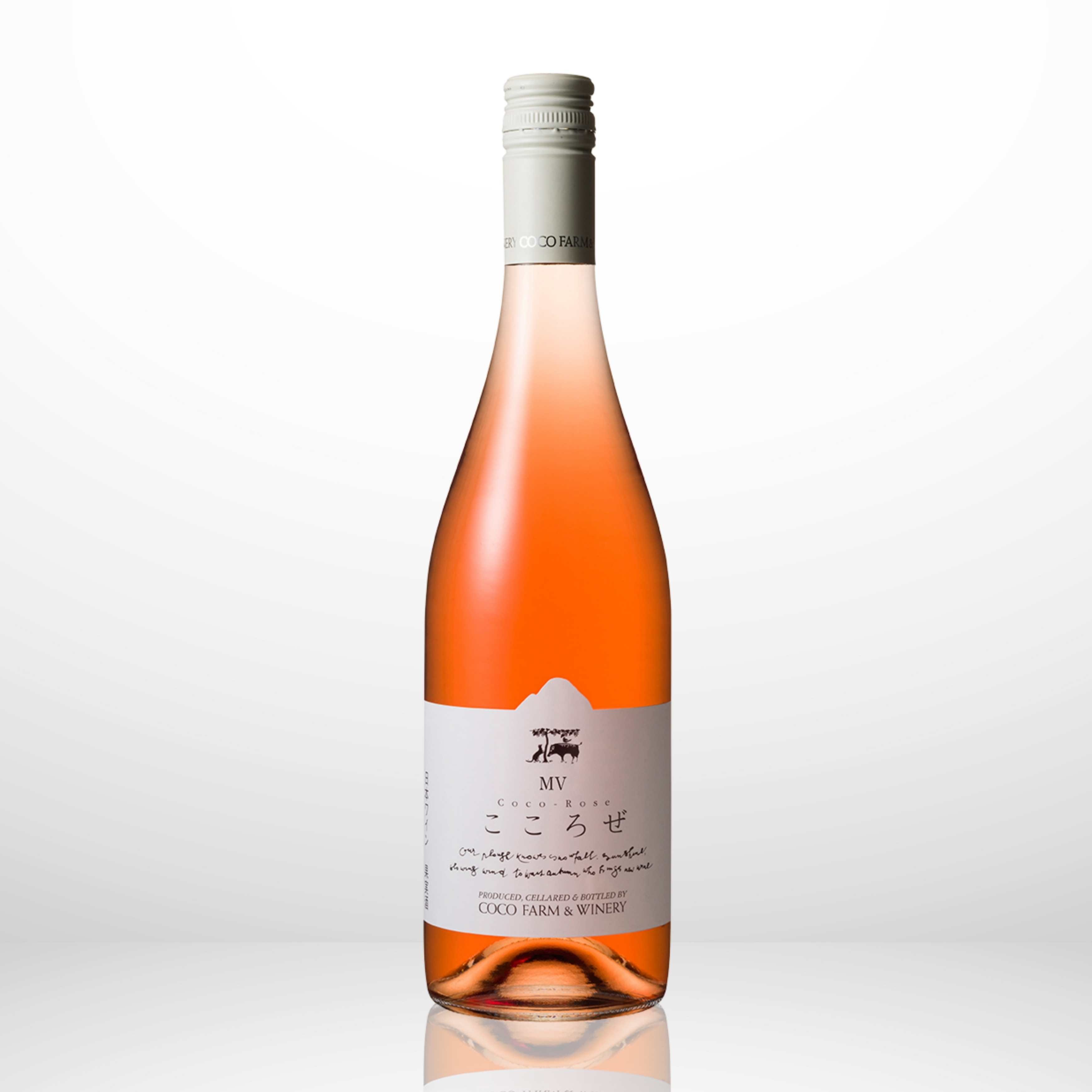
Coco Farm & Winery
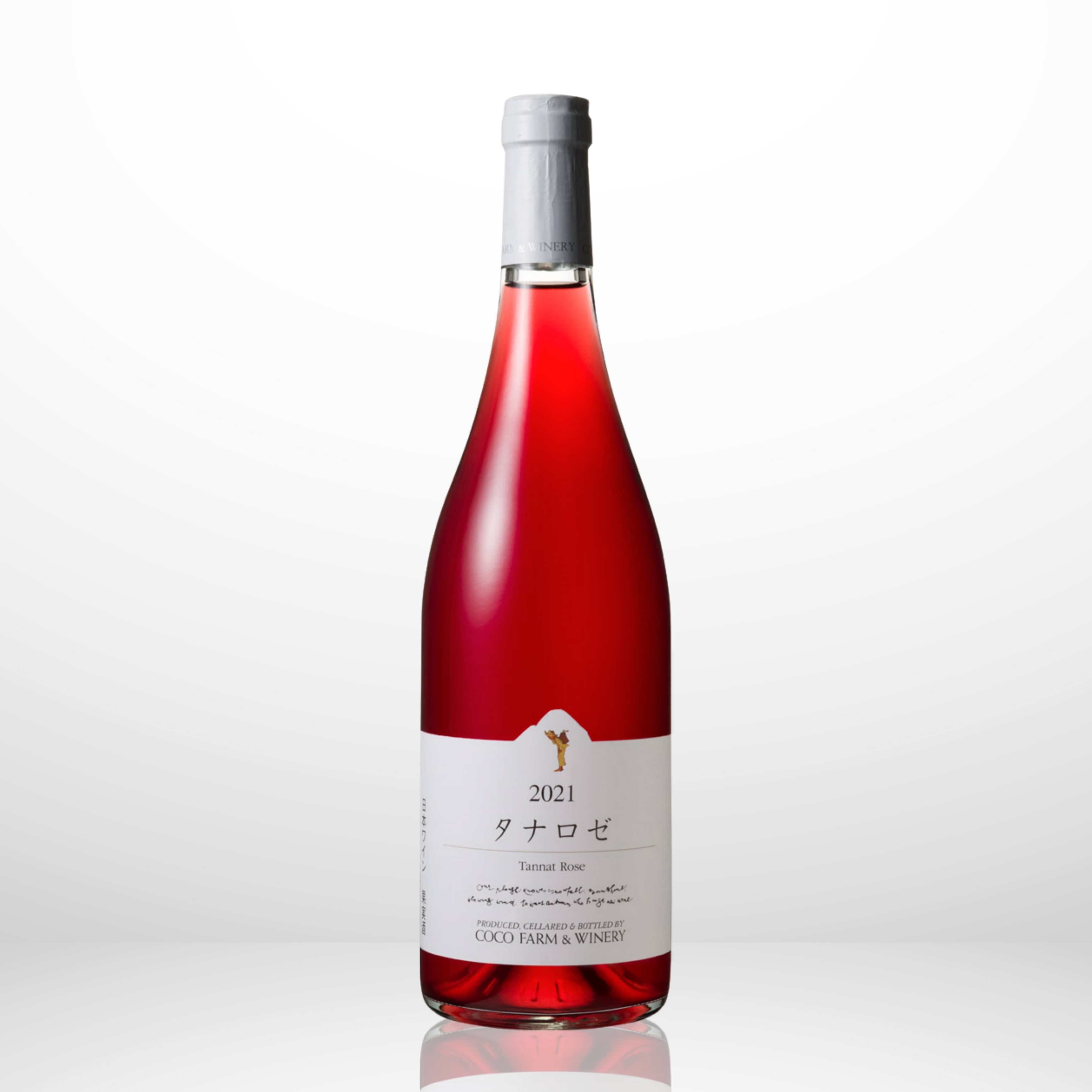
Tannat Rose
タナ・ロゼ/ココ・ファーム・ワイナリー
Category
Wine
Type
White Wine
Producer
Coco Farm & Winery
Production area
Takayama Village, Nagano (Sato Farm); Kaminoyama, Yamagata (Satake Vineyard, Kimura Vineyard, Osaka Vineyard)
Variety
Tannat 100%
Fermentation
Wild yeast fermentation
Maturation
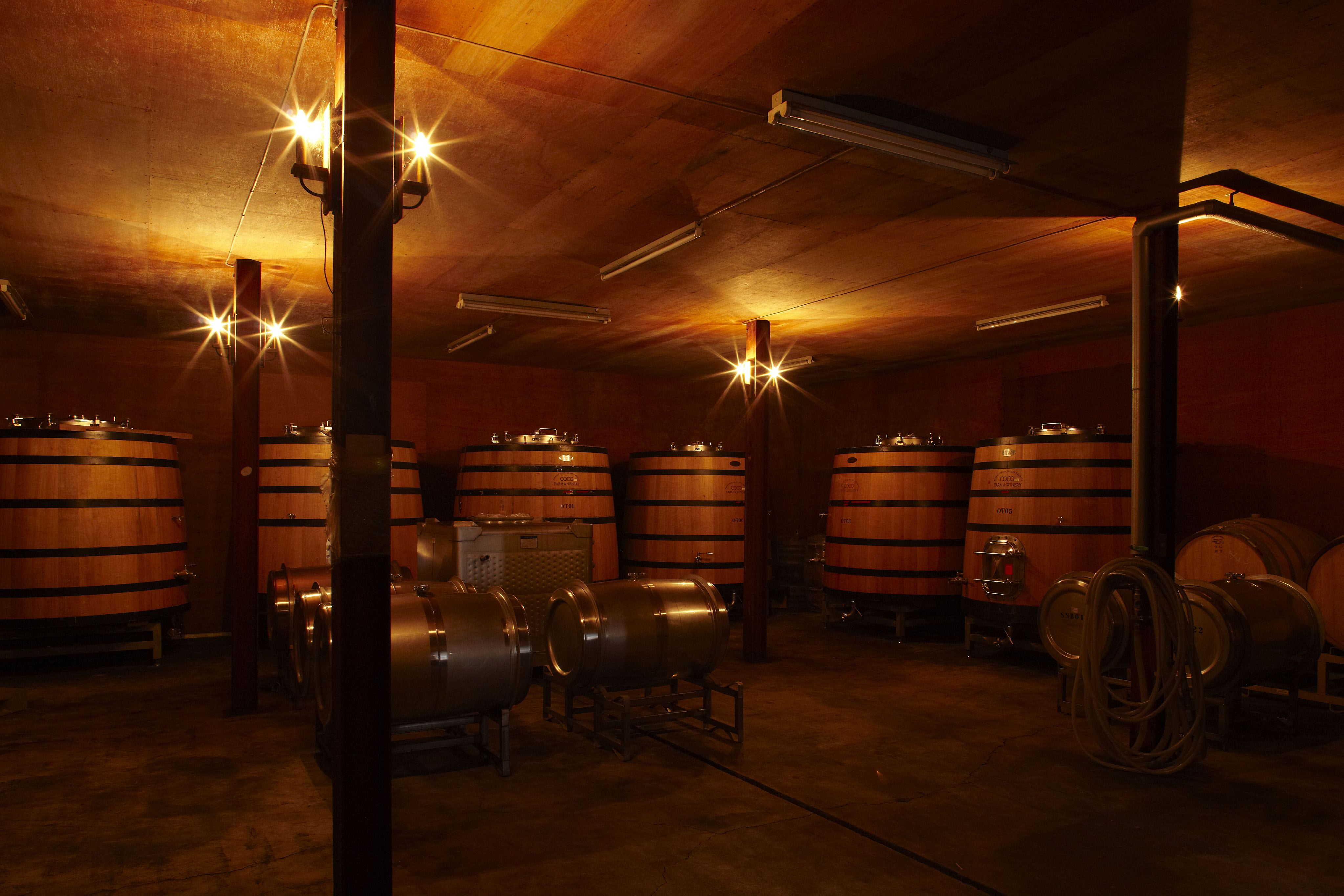
Aged for 4–5 months, approximately 90% in wooden barrels and 10% in stainless steel tanks
Capacity
750 mL
ABV
13%
Production Quantity
2,529 bottles (750 ml each)
Recommended Pairings
Dashimaki tamago (Japanese omelet), salmon ruibe (chilled sashimi), jamón serrano, arugula and smoked cheese salad, pidan (century egg), fresh spring rolls, bouillabaisse, miso-grilled chicken thighs, saltimbocca, and natto pasta.

Tasting from winery
A bright raspberry red. The nose is fragrant with acerola, raspberry, and rose, accented by cinnamon, nutmeg, and forest floor. It features a soft attack, gentle fruit flavors, mild tannins, and pleasant, well-balanced acidity.
About the producer
The Charm of Meticulous Grape Cultivation and Wild Yeast Fermentation
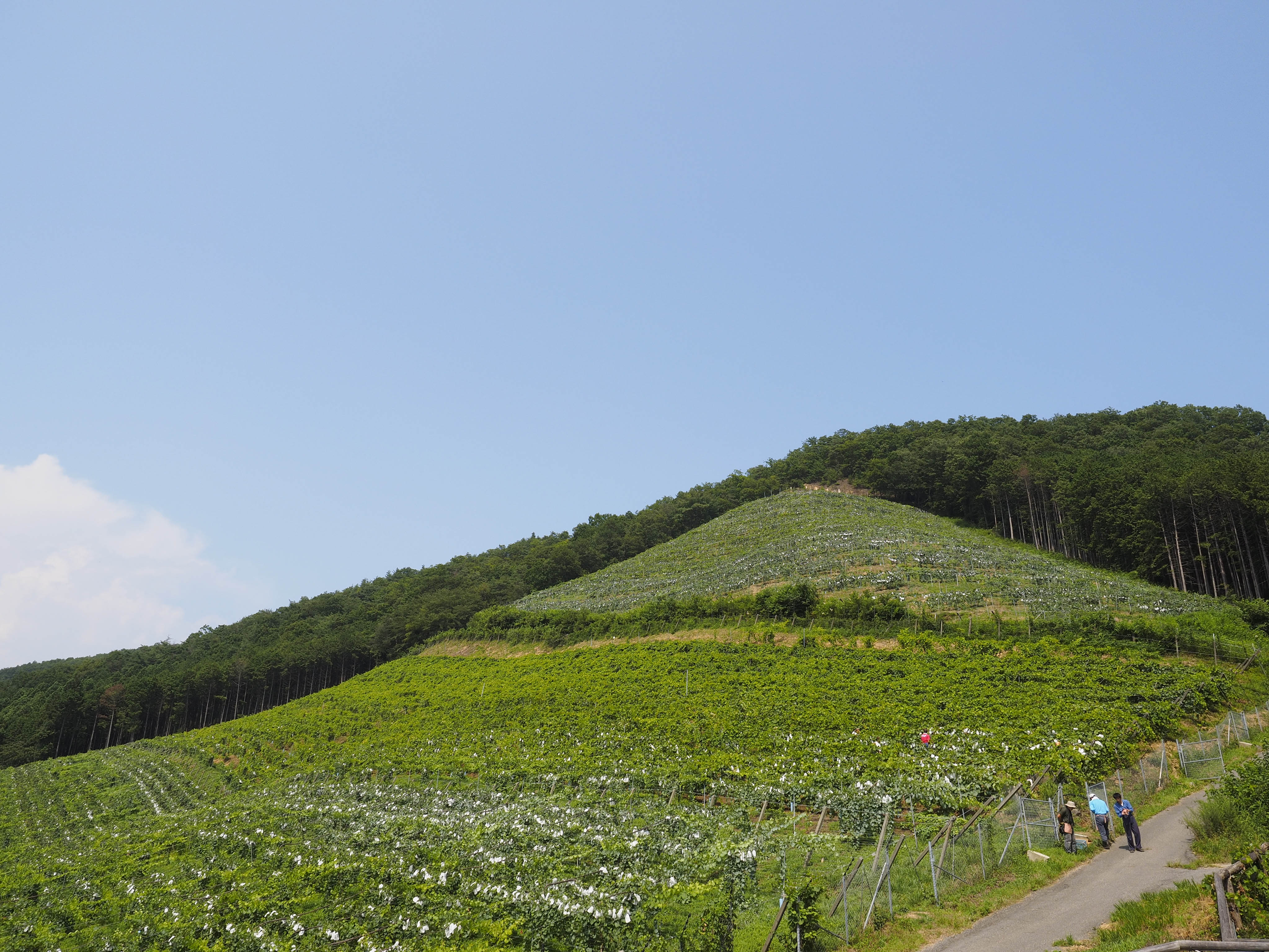
In the 1950s, a vineyard opened on a mountain by junior high school students who struggled with arithmetic and literacy and their teacher has never been exposed to herbicides since its cultivation.
Coco Farm & Winery, born at the foot of this mountain in 1980, started winemaking in 1984. Currently, the vineyard does not use any chemical fertilizers or herbicides, and the brewery focuses on natural fermentation with wild yeast to brew wine from 100% Japanese grapes.
From sparkling wines with secondary fermentation in the bottle to dessert wines, they are joyfully making wine while listening to the 'voices' of the grapes saying, 'This is what we want to become.
Also, the stratum of finely shattered Jurassic rocks, like mille-feuille, creates moderate stress for the grapes in the rainy climate, which leads to the production of good quality grapes.
About the Production Area
Japan Tochigi Prefecture
A land where you can enjoy a variety of flavors, aromas, and colors
Tochigi Prefecture is landlocked, with hot summers and cold winters, resulting in significant temperature differences both diurnally and annually.
These variations are beneficial in balancing the sugar and acid levels in grapes. Additionally, the soil in Tochigi is predominantly volcanic, which provides good drainage.
There are also regions rich in minerals, making these soil conditions well-suited for grape cultivation.
Grape varieties originating from America such as 'Niagara' for white wine and 'Concord' for red wine are commonly grown, but in recent years, international and unique Japanese grape varieties have also begun to be cultivated.